
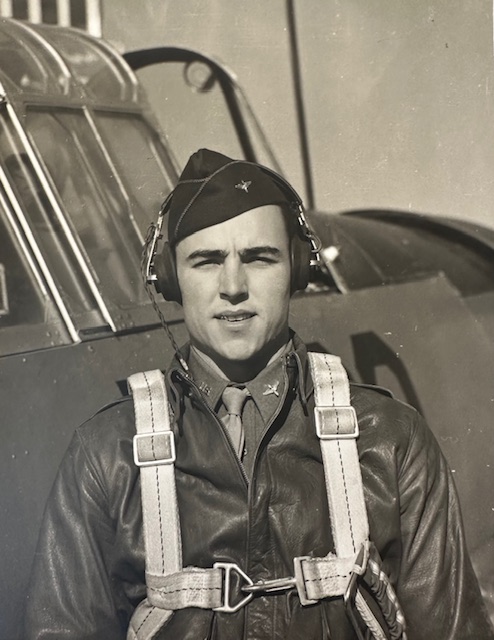
Heroism is a word that people often use when speaking about courage, sacrifice, and selflessness. However, courage is not always easy to understand. It looks different at different times, like during war and peace. During war, bravery on the battlefield, selfless acts, or protecting others are common ways that heroes show their worth. When there is peace, being a hero may seem less dramatic, such as helping others, standing up for what’s right, or making society better. Both types are important, but they are also hard to understand.
There are flaws in heroes. They are people who sometimes have to deal with fear, doubt, and failure. The fact that they choose to help others even though it costs them a lot makes them stars. The fact that heroism is complicated in both war and peace shows us that being brave isn’t just about fighting; it’s also about caring for others and taking care of your responsibilities. How does courage work in different times and places? That will help us understand it better.
Heroism in the Face of War
When there is war, normal people have to do amazing things. In battle, being brave under fire, saving lives, or staying firm in the face of danger are common ways to show heroism. People who put their own safety at risk to help their fellow soldiers or citizens who look out for the weak are often praised as heroes. But war also shows the bad side of being brave. When people do brave things, they sometimes leave deep mental and physical scars. The difficulty lies in the fact that war tests people’s character and pushes them to their worst. Being brave in battle isn’t just about getting awards and praise. It’s also about giving up things you want, being strong, and the weight that people carry after the fights are over.
The Quiet Heroism of Peace
Heroes are still needed even when there is peace. Instead, it changes the scene where bravery is shown. Heroism often seems less pronounced when things are calm, but it remains very important. Heroes include teachers who can spark young minds, doctors who save lives every day, and regular people who speak out against wrongdoing. Unlike heroes on the battlefield, these people don’t always get credit for what they do, but their actions change communities. You can be a quiet hero by being kind, caring, or having the guts to tell the truth when it’s not popular. This kind of courage makes communities stronger and serves as a reminder that bravery isn’t always loud or dramatic. It can also be quiet, steady, and change-making.
The Burden Carried by Heroes
There is a price to pay for every brave act. Heroes of war may come home with scars that can’t be seen, like trauma, loss, or survivor’s guilt. Peaceful heroes may have numerous tasks, such as helping others or combating powerful forces. As a hero, you may have to deal with loneliness, misunderstanding, or being worn out. This makes their bravery even more impressive because they persevere even when things are difficult. Realizing the weight of what heroes do is important because it teaches us to care about others. It helps us remember not to put heroes on impossible pedestals, but to respect them as people. Real heroes have to deal with hardships, and knowing these makes us respect their efforts even more.
Redefining Heroism in Modern Times
The idea of what it means to be heroic changes as nations do. Today, being heroic means more than just fighting in war or helping others. It now encompasses individuals who advocate for human rights, protect the environment, or utilize technology to address global issues. People can also be heroes every day by speaking out against bullying, helping their friends, or giving money to good causes. Today’s world shows us that being heroic isn’t just for a select few; we can all be heroic. We see that bravery and kindness can show up anywhere when we widen our idea of what it means to be heroic. This helps make the world a better place for future generations.
Lessons from Heroes of the Past
There are many heroes in history whose stories teach us important lessons. Heroes in war show us how important it is to be brave, make sacrifices, and be faithful. In times of peace, heroes show that they are strong, kind, and decent. Their stories show us that being a hero isn’t about being perfect, but about picking the right things to do. These stories help us deal with problems of all sizes. We can change what it means to be heroic in the present by learning from the past. By examining their stories, we can see that real courage often means enduring difficult times, but it also inspires others with hope, justice, and kindness. The heroes of the past still shape the present.
Conclusion
There are many kinds of heroism, which makes it hard to explain. It could mean putting oneself in danger to save lives during a war. In peace, it could mean speaking out for what’s right or helping people who are in need. To do any of these things, you have to be brave enough to put others before yourself. Real heroes aren’t perfect; they’re the ones who make tough decisions, carry big loads, and keep going even when things look bad. It shows us that bravery is always strong, no matter how loud, quiet, dramatic, or simple it is. To truly see the complexity of heroism, one powerful story stands out—Jack The Enforcer. This fascinating book by Richard Hughes von Hurst tells the life of Jack Whalen, a man many misunderstood. While some thought Jack only did tough things for money, the truth is he was a brave soldier during World War II. Born into the Whalen and Wunderlich Clan, Jack grew into a man who valued courage and justice above all. His story shows resilience, sacrifice, and redemption. Read Jack The Enforcer Book to discover the legacy of a true war hero.
